Inaugural North American Vedanta
Conference Explores Vedanta Teachings and Their Relevance in Modern Life

By Ravi R. Ponangi
Contributions by Pudipeddi Seshu Sarma
The first-ever North America Vedanta Conference (NAVC), held September 12–14
at the Von Braun Center in Huntsville, Alabama, marked a landmark moment in
the continent’s spiritual and intellectual landscape. Distinguished as a
pioneering event, NAVC brought together scholars, practitioners, and seekers
to explore the enduring relevance of Vedanta philosophy in contemporary
life.
Organized as a confluence of tradition and modernity, the conference
featured four major schools of Vedanta and welcomed 16 esteemed speakers
from globally respected institutions, including the Ramakrishna Order and
the Chinmaya Mission. Far more than a conventional gathering, NAVC offered
participants a deeply enriching experience—bridging ancient wisdom with
modern-day challenges and aspirations.
The event drew attendees from across North America and set a precedent for
future inter-school collaboration and philosophical dialogue.
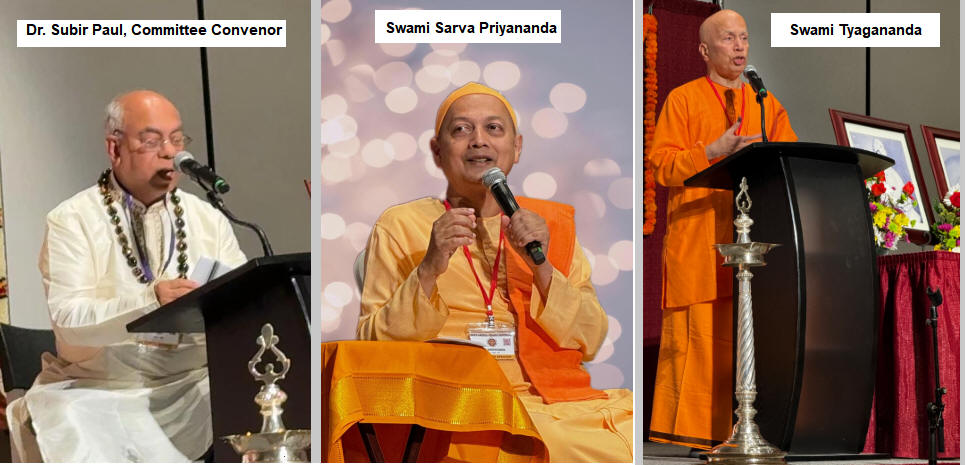
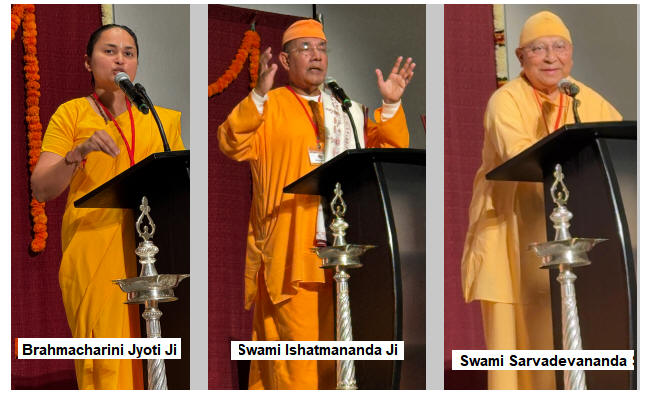
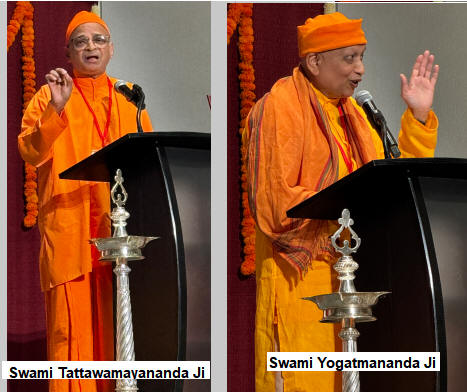
Speakers include Swami Sarvadevananda, Head, Vedanta Society of Southern of
California; Swami Prapannananda, Head, Vedanta Society of Sacramento; Swami
Ishatmananda, Head, Vivekananda Vedanta Society of Chicago; Swami Ishtananda,
Head, Vedanta Center of St. Petersburg, Florida; Swami Yogatmananda, Head,
Vedanta Society of Providence; Swami Tyagananda, Head, Ramakrishna Vedanta
Society, Boston; Swami Kripamayananda, Head, Vedanta Society of Toronto;
Swami Tattwamayananda, Head, Vedanta Society of Northern California; Swami
Prasannatmananda, Head, Vedanta Society of Berkeley; Swami
Chandrashekharananda, Head, Vedanta Society of Portland; Swami
Satyamayananda, Head, Vedanta Society of Western Washington; Swami
Sarvapriyananda, Head, Vedanta Society of New York; Pravrajika Brahmaprana,
Ramakrishna Vedanta Society of North Texas; Pravrajika Vrajaprana, Sarada
Convent, Vedanta Society of Southern California; Pravrajika Virajaprana,
Vedanta Convent, Vedanta Society of San Francisco; Brahmacharini Jyoti
Chaitanya, Chinmaya Mission, Atlanta, Georgia.
Hindu Cultural Center of North Alabama hosted 3-day North America Vedanta
Conference. Under the guidance of Pujya Swami Ishatmananda Ji, Dr. Subir
Paul, Conference committee convener and dedicated volunteers of NAVC 2025
did a wonderful and commendable job for the success of the conference. 3
Days, 4 Vedanta Principles, 5 Sessions, 16 Revered Speakers, 400+ attendees-
a tall order by any standards.
The North America Vedanta Conference (NAVC) was an incredible event,
bringing together scholars, devotees, and seekers to dive into the depths of
Vedantic philosophy. The atmosphere was both reflective and enriching,
allowing participants to explore the teachings of Vedanta in a practical and
spiritual context.
The Vedanta tradition has a rich history and philosophy. The four schools of
Vedanta—Advaita, Vishishtadvaita, Dvaita, and Samanvaya Vedanta—were
explored in-depth, with historical, lives of persons who advocated different
schools of Vedanta and philosophical perspectives guiding the discussions.
The focus on understanding the nature of reality, the self, and Brahman from
different viewpoints must have been fascinating. The inclusion of revered
speakers from across North America, especially those from the Ramakrishna
Order and Chinmaya Mission, surely added an authoritative and deeply
spiritual element to the conference. Emphasized on the existence of
harmonious Divine Oneness of truth, and render spiritual guidance for peace
& happiness and thus join a journey towards Spiritual Unity and Blissful
Divinity. Revered Swami Ishatmananda Ji presented devotional stotra recitals
and prayerful meditation throughout the conference.
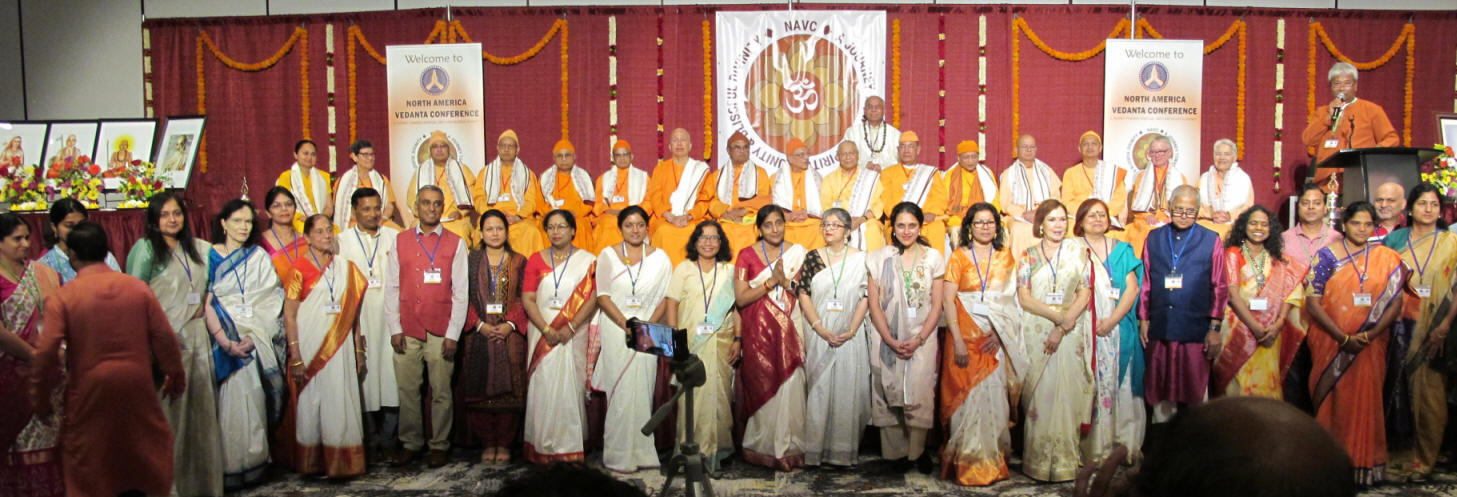
Vedanta is Upanishad Pramana. Upanishads, Bhagavadgita and Brahma sutras are
main source for Vedanta. Commentaries on Upanishads, Bhagavadgita and Brahma
sutras over thousands of years generated multiple schools of Vedanta namely
Advaita (Non-dualism), Vishishtadvaita (Qualified Non-dualism), Dvaita (Dualism)
& Samanvaya Vedanta (Synthesis of Knowledge) and continues till today. These
are living tradition and core value to Hinduism. These traditions developed
through millions of years. The conference covered 5 topics namely Dvaita
Vedanta, Vishishtadvaita Vedanta, Advaita Vedanta, Samanvaya Vedanta and
Vedanta in Daily Life.
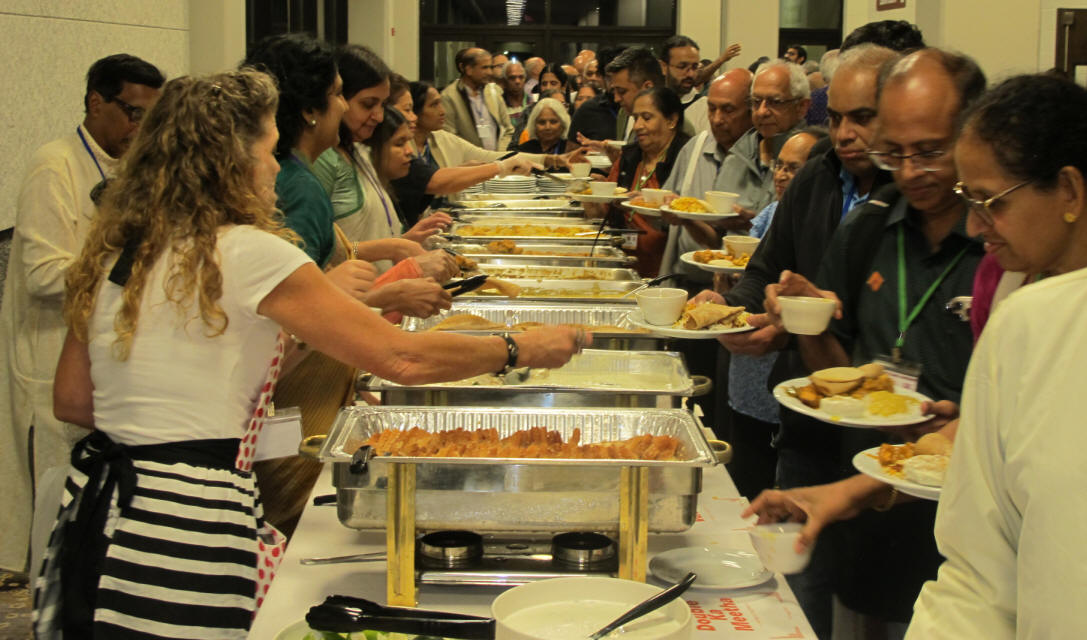
Following the inauguration ceremony on Friday, September 12th, Swami
Sarvapriyananda, the resident Acharya of the Vedanta Society of New York,
gave a brief introduction on the basic Vedantic principles and its major
divisions. The first session was dedicated to Dvaita Vedanta and discussions
centered around the dualistic Vedanta practices prior to, during and post
Chaitanya Mahaprabhu period. The contributions of Madhvacharya, Jayateertha,
Vyasa Teertha, Purandara Dasa and many more were elaborated.
The 2nd day, Saturday, September 13th, was divided into 3 sessions. The
first session was dedicated to Vishishtadvaita and the Acharyas covered
Vishishtadvaita, before, during and after Ramanujacharya’s period. The
practices of the Alwars, Nayanars, Andal, Natha Muni and Yamunacharya, prior
to Ramanujacharya’s exposition on the Vishishtadvaita philosophy in
Sribhasyam were stressed. Subsequently, a discussion of the theological and
sectarian schism that took place after Ramanuja's period ensued.
Contributions by Vedanta Desika, and others during the post-Ramanuja period
were covered.
Advaita Vedanta prior to, during and after Sankara’s life were discussed in
the 2nd session, though Advaita philosophy was practiced since the inception
of the Vedas, the Acharyas said. Mention was made of the pre-Shankara
advaitins such as Atreya, Katyayani, Sundara Pandya, Brahmadatta,
Barthruhari and others. Adi Shankara’s Advaita philosophy and post
Shankara’s advaitins like Ramakrishna, Vivekananda and others were discussed
in detail. A dedicated segment on women Advaitins namely Gargi and Vagdevi
were a prominent feature of the conference something not always emphasized
in historical discussions. The last session of the day was on the Samanvaya
Vedanta, which encompasses harmony and unity in the diversity of different
types of Vedanta, as practiced by Ramakrishna Paramahamsa and Swami
Vivekananda.
On the last day, a special session was dedicated to Vedanta in Modern Life
with emphasis on how modern men and women can practice Vedantic philosophy
in their day-to-day lives. Swami Sarvapriyananda moderated all the sessions
except the one on Samanvaya Vedanta which was done by Swami Tyagananda of
the Vedanta Society of Boston.
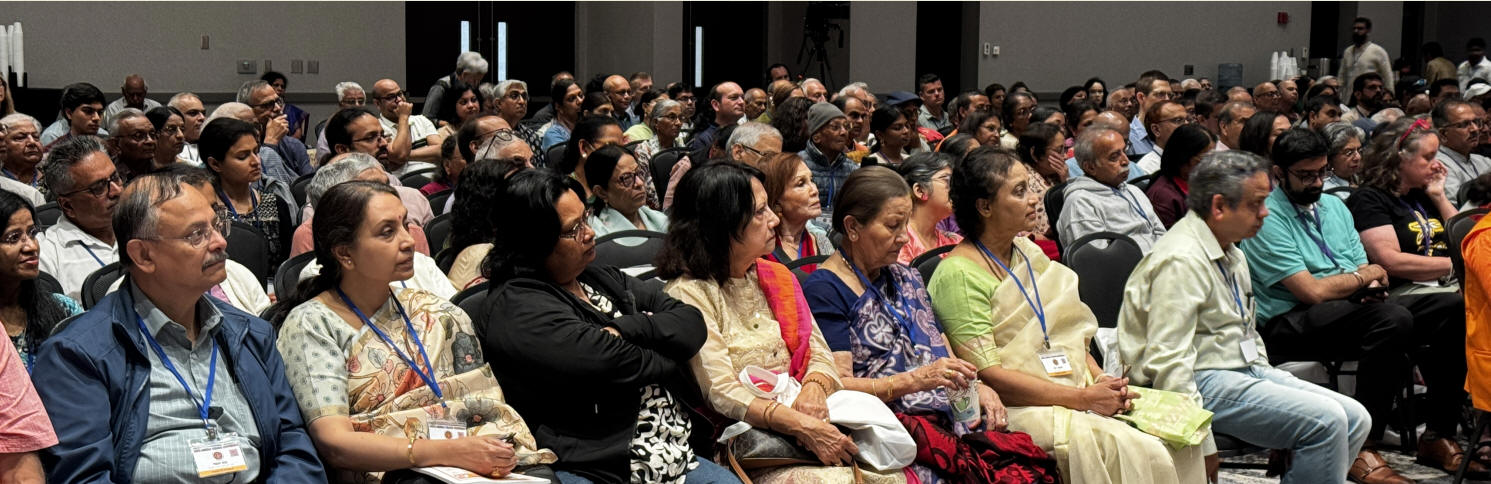
The unique approach of having each session focus on specific personalities,
like Chaitanya Mahaprabhu or Ramanuja or Madhvacharya, to illustrate the
nuances of different schools of Vedanta. This provided a holistic
understanding for attendees, tying philosophical teachings with the lived
examples of spiritual masters. The overall emphasis on personal spiritual
realization, enlightenment, and liberation is such a valuable takeaway. The
2025 NAVC didn’t just aim to educate intellectually but to inspire attendees
on a deeper spiritual journey.
Swami Ishatmananda Ji said it is heartening to see that devotees from
different cities and even countries, like India, come together to support
and advance the mission of Vedanta. This collective spirit of helping hands,
shows the strength of community and shared purpose in spiritual practice.
The Vedanta Societies in America in the United States established to support
the work of the India-based Ramakrishna movement, these societies have
played and continue to play a key role in the introduction of Hinduism in
the West. They have been instrumental in spreading the teachings of Vedanta,
the culmination of the Vedas, and have contributed to the rise of yoga in
popularity. The societies focus on spiritual instruction and have been a
magnet for intellectuals and artists who have drawn from Vedantic ideals.
They have also been involved in social service and have resident monks and
nuns in many centers. The Vedanta Societies have been a key player in the
religious transfiguration of the American landscape, despite their small
numbers compared to other religious movements in the West.
One of the key features of the conference was its focus on Vedantic
philosophy's relevance to modern life. Rather than being purely academic,
the discussions were centered on spiritual growth, personal realization, and
the path to liberation. By weaving in historical perspectives—such as the
teachings of Chaitanya Mahaprabhu, Adi Sankara, Ramanuja, and Madhvacharya—the
conference gave attendees a holistic understanding of Vedanta through the
lenses of these great personalities.
Moreover, the inclusion of devotional practices like stotra recitals and
meditation led by Swami Ishatmananda Ji infused the event with a strong
spiritual atmosphere, helping to foster an even deeper connection with the
teachings.
The NAVC 2025 was not just about intellectual discourse but also about
personal transformation. It emphasized how the timeless wisdom of Vedanta
can guide individuals on their spiritual journey towards enlightenment and
liberation. Participants walked away with insights on how to integrate
Vedantic teachings into daily life to cultivate peace, happiness, and
spiritual unity.
It was a true celebration of the Vedantic tradition and its global impact, a
tradition that began with Swami Vivekananda’s introduction of Vedanta to
America in 1893, and continues to evolve today through the efforts of monks
and devotees across the world. The Vedanta Societies have been instrumental
in spreading the teachings of Vedanta and supporting the rise of yoga in the
West, while also being deeply involved in social service.
In essence, the North America Vedanta Conference stood as a powerful
testament to the transformative potential of Vedantic wisdom—illuminating
paths to personal growth, spiritual realization, and collective harmony. To
view highlights and cherished moments from the conference weekend, please
visit:
https://photos.app.goo.gl/tF4wkuMh9Mvfj6E36
'
Sep-20-2025