Deepavali Inscribed on UNESCO’s Intangible
Cultural Heritage List

By Mahadev Desai
UNESCO has officially inscribed Deepavali, the Festival of Lights, on
its Representative List of the Intangible Cultural Heritage of Humanity. This
recognition follows earlier inclusions of Indian traditions such as Navroz,
Durga Puja, Ramlila, Kumbh Mela, Garba, Yoga, and the Thatheras’ brass and
copper craft, further affirming India’s rich cultural legacy.
A Living Heritage
Intangible cultural heritage encompasses practices,
rituals, knowledge, and expressions that communities regard as part of their
identity. Passed down through generations, these traditions evolve while
strengthening cultural bonds and celebrating diversity. Deepavali exemplifies
this spirit: a festival of renewal, unity, and joy that continues to thrive
across India and the global diaspora.
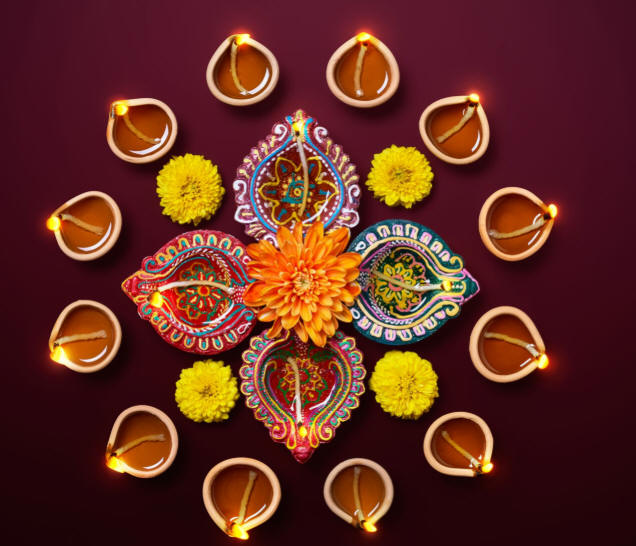
UNESCO describes Deepavali as a
festival marking the last harvest of the year and the beginning of a new
season, celebrated on the new moon in October or November. Families and
communities clean and decorate homes, light lamps and candles, create rangoli,
set off fireworks, and offer prayers for prosperity and new beginnings. It is a
vibrant expression of the victory of light over darkness and good over evil.
National and Global
Recognition
Prime Minister Narendra Modi ji welcomed the inscription,
calling Deepavali “the soul of our civilisation” and a festival that
“personifies illumination and righteousness.” He emphasized that the
recognition will further enhance the festival’s global popularity. The Union
Minister of Culture, Shri Gajendra Singh Shekhawat highlighted the
contributions of millions—potters, artisans, farmers, sweet makers, priests,
and households—whose collective labor sustains this tradition. The diaspora’s
celebrations across Southeast Asia, Africa, Europe, and the Caribbean were also
acknowledged as vital in carrying Deepavali’s message worldwide.
Deepavali Beyond Borders
The recognition also reflects Deepavali’s growing
presence in the United States, where the festival is celebrated in Hindu
temples, Indian American associations, and community centers. Families gather
for prayers, cultural programs, and festive meals, while public events across
cities from New York to San Francisco feature music, dance, rangoli displays,
and the lighting of lamps. In recent years, the White House has hosted annual
Diwali celebrations, attended by leaders of the Indian American community and
dignitaries, underscoring the festival’s role as a bridge of cultural
understanding. These celebrations affirm Deepavali’s universal message of hope,
renewal, and inclusivity.
Deepavali’s Enduring Significance
The
festival embodies unity, renewal, and social cohesion, with practices that
adapt across time and geography. Its transmission is informal yet powerful:
elders teaching children through stories and rituals, communities gathering in
temples and schools, and digital platforms helping safeguard traditions.
Deepavali supports local economies, fosters creative expression, and reinforces
values of kindness, gratitude, and hope.
UNESCO’s inscription recognizes
Deepavali as a living heritage that strengthens social bonds, sustains
traditional craftsmanship, and contributes to several Sustainable Development
Goals—including livelihood enhancement, gender equality, cultural education,
and community welfare. The Ministry of Culture noted that the honor will
promote global awareness of India’s intangible heritage and reinforce efforts
to safeguard community-based traditions for future generations.
As someone
who has witnessed Deepavali across decades, I find UNESCO’s recognition deeply
moving. To see it honored as part of humanity’s shared heritage is not only a
tribute to India’s culture, but also a reminder that traditions we cherish at
home can inspire hope and unity across the world.
'
Dec-15-2025